
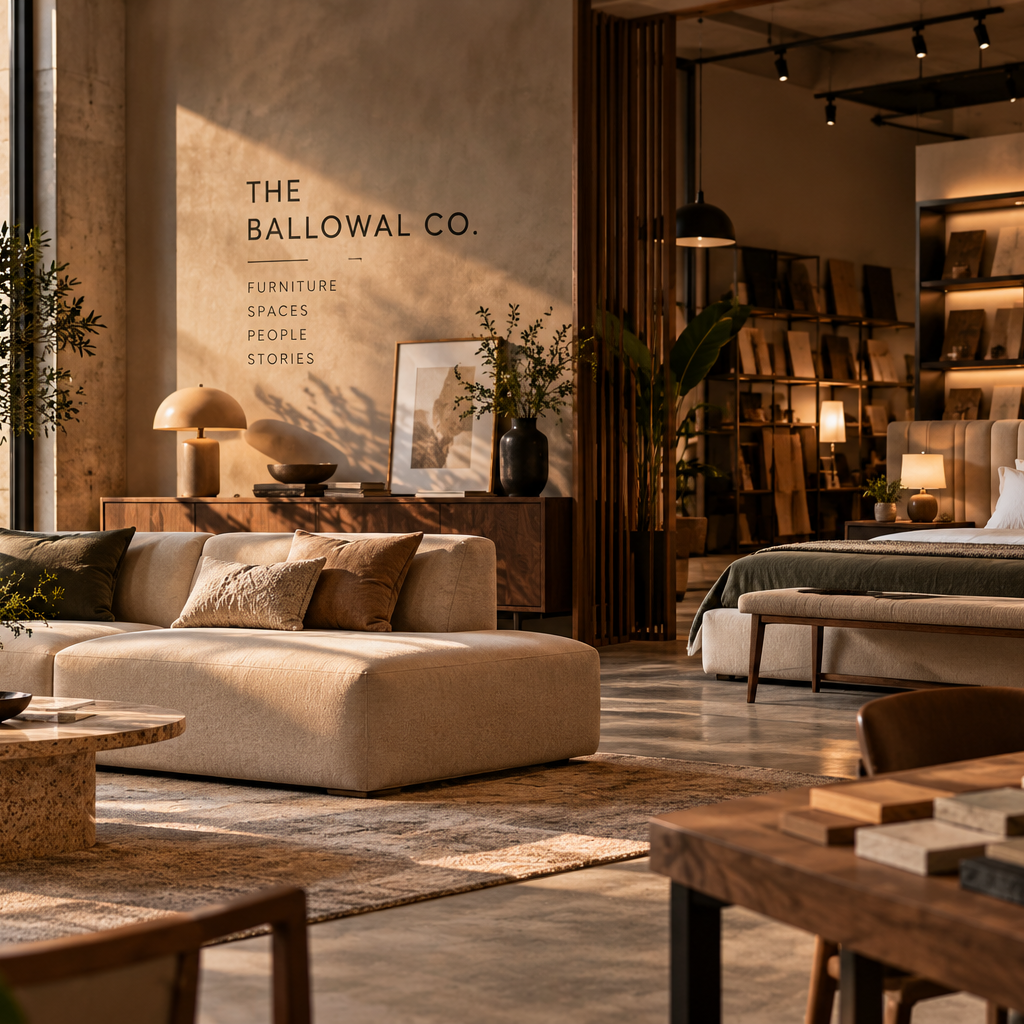
he sofa is often the centrepiece of a living room. It brings people together, provides a comfortable place to relax, and plays a major role in defining the style of your home. Whether you prefer a modern minimalist interior, a luxurious living space, or a timeless and comfortable setting, choosing the right sofa can transform the entire room.
However, with so many designs, materials, sizes, and configurations available, finding the perfect sofa can feel overwhelming.
The key is to balance comfort, functionality, durability, and design. In this guide, we explore everything you need to consider when choosing the perfect sofa for your living room.
- Understand Your Living Room Space
Before exploring different sofa designs, start by understanding the space available in your living room.
A sofa that looks perfect in a showroom may not suit your home if its dimensions are unsuitable. Measuring your room beforehand helps you choose furniture that fits comfortably without making the space feel crowded.
Consider the following factors:
Room dimensions: Measure the length and width of your living room to understand how much space is available.
Sofa placement: Decide whether the sofa will sit against a wall, face a television, or form part of an open-plan seating arrangement.
Movement and accessibility: Leave enough room for people to walk comfortably around the furniture.
Doorways and entrances: Check that the sofa can be moved through doors, staircases, lifts, and hallways during delivery.
Other furniture: Consider how the sofa will fit with coffee tables, side tables, accent chairs, and other elements.
For smaller living rooms, compact two-seater sofas or carefully proportioned three-seater designs can help maximise usable space. Larger rooms may accommodate sectional sofas or combinations of sofas and accent chairs.
The goal is to create a balanced layout where the furniture feels natural rather than overcrowded.
- Choose the Right Sofa Style
Your sofa should complement your home’s interior design while reflecting your personal preferences.
Different sofa styles create different visual effects, making it important to consider the overall atmosphere you want to achieve.
Modern Sofas
Modern sofas typically feature clean lines, balanced proportions, and simple silhouettes. They work well in contemporary homes where understated design and functionality are priorities.
Neutral colours, sleek frames, and uncluttered shapes can create a sophisticated appearance without overwhelming the room.
Contemporary Luxury Sofas
Luxury sofas often combine carefully considered proportions, premium-looking upholstery, and distinctive design details.
Depending on the design, features such as deep seating, textured fabrics, elegant finishes, and sculptural shapes can help create a refined living room.
When selecting a luxury sofa, consider comfort and construction alongside appearance.
Sectional Sofas
Sectional sofas offer multiple seating sections arranged in configurations such as L-shapes or U-shapes.
They can work particularly well in larger living rooms and open-plan spaces where several people regularly gather.
Before purchasing a sectional sofa, check its overall dimensions and ensure that it does not obstruct walkways or other important areas.
Minimalist Sofas
Minimalist sofas emphasise simplicity, practical design, and visual balance.
They are often suitable for smaller homes, contemporary apartments, and interiors where clean lines and uncluttered spaces are preferred.
Classic Sofas
Classic sofa designs can complement traditional interiors and homes that favour timeless furniture.
Depending on the style, details such as curved arms, structured upholstery, and traditional silhouettes can add character to a living room.
Choose a style that complements your existing furniture and is likely to remain appealing as your interior evolves.
- Select the Right Sofa Fabric or Upholstery
Upholstery influences the sofa’s appearance, comfort, maintenance requirements, and suitability for everyday use.
The best material depends on your household, lifestyle, and design preferences.
Fabric Sofas
Fabric sofas are available in a wide range of colours, textures, and patterns.
They can create a warm and inviting atmosphere and offer considerable flexibility when coordinating furniture with curtains, rugs, cushions, and other interior elements.
When selecting fabric upholstery, consider its durability, cleaning instructions, resistance to staining, and suitability for frequent use.
Leather and Leather-Look Sofas
Leather and leather-look upholstery can create a sophisticated appearance in contemporary and traditional interiors.
However, genuine leather and synthetic alternatives differ in feel, maintenance, durability, and ageing characteristics.
Review the material specifications carefully before making a decision.
Textured Upholstery
Textured fabrics can introduce depth and visual interest without relying on bold colours or patterns.
They work particularly well in interiors built around neutral palettes, natural materials, and understated decorative details.
Choosing the Right Colour
Colour has a significant influence on how your sofa fits into the living room.
Beige and cream: Create a light, calm, and versatile appearance.
Grey: Works well with a wide range of contemporary colour schemes.
Brown and earthy tones: Can create a warm, grounded atmosphere.
Green and blue: Introduce colour while offering opportunities for sophisticated styling.
Black and darker shades: Can create a bold, dramatic look when balanced with appropriate lighting and surrounding furniture.
If you have pets or children, consider how easily the upholstery can be cleaned and how visible everyday marks may be.
The right upholstery should look good while remaining practical for your household.
- Prioritise Comfort and Support
A sofa may look impressive, but its appearance means little if it is uncomfortable to sit on.
Since sofas are often used daily, comfort should be one of your main priorities.
When evaluating a sofa, pay attention to the following:
Seat depth: Deeper seats may suit people who enjoy lounging, while shallower seats can provide a more upright sitting position.
Seat height: The height should allow you to sit down and stand up comfortably.
Back support: Consider the height and shape of the backrest and whether it provides adequate support for your preferred sitting position.
Cushion firmness: Softer cushions can create a relaxed feeling, while firmer cushions may provide a more structured seating experience.
Armrest design: The height, width, and shape of the armrests can affect both comfort and the sofa’s overall proportions.
Frame and construction: The quality of the frame, joints, suspension, and cushioning contributes to the sofa’s overall performance.
Whenever possible, test a sofa before purchasing it. Spend a few minutes sitting in your usual position to determine whether the dimensions and support feel right.
Remember that comfort is subjective. The ideal sofa is one that suits the people who will use it most.
- Consider Your Lifestyle Before Buying
The perfect sofa is not simply the most attractive one. It should also suit your everyday routine.
Different households have different needs, and understanding them can help you narrow down your options.
For Families
Families may benefit from spacious seating, durable upholstery, and materials that are relatively easy to maintain.
Consider how frequently the sofa will be used and whether removable or cleanable cushion covers would be helpful.
For Small Apartments
Compact sofas with balanced proportions can help maintain an open and comfortable atmosphere.
Avoid choosing oversized furniture simply because it looks impressive. A well-proportioned sofa can make a small room feel more organised.
For People Who Frequently Entertain Guests
If you regularly host friends or family, consider a larger sofa or a seating arrangement that can accommodate several people comfortably.
Combining a sofa with accent chairs can provide additional seating without relying on one oversized piece of furniture.
For Relaxed Living Spaces
If your living room is primarily used for watching films, reading, or relaxing, prioritise comfortable cushions, appropriate seat depth, and a layout that supports your preferred activities.
Matching your sofa to your lifestyle helps ensure that your furniture remains useful long after the initial purchase.
- Match Your Sofa With the Rest of Your Interior
A sofa rarely exists in isolation. It interacts with every other element in the living room, from the flooring and walls to lighting, rugs, and decorative accessories.
Creating a coordinated interior does not mean every item must match exactly. Instead, aim for a consistent relationship between colours, materials, shapes, and proportions.
Coordinate Colours
Choose a sofa colour that complements the room’s existing palette.
For example, a neutral sofa can work with colourful cushions and artwork, while a bold sofa may become the main visual feature in an otherwise understated room.
Balance Materials
Combining different materials can make a living room feel more layered and interesting.
A fabric sofa may pair well with a wooden coffee table, while a contemporary upholstered sofa can complement glass, metal, or stone finishes.
Consider Proportions
A large sofa paired with a very small coffee table may feel visually unbalanced. Similarly, several oversized furniture pieces can make a room appear crowded.
Choose furniture according to the scale of the space and the proportions of the other items.
Use Lighting Effectively
Natural light and artificial lighting can influence how upholstery colours and textures appear.
Consider how the sofa will look during the day and in the evening before finalising your selection.
A coordinated living room feels intentional because every element contributes to the overall design.
- Custom-Made Sofas vs Ready-Made Sofas
When shopping for a sofa, one important decision is whether to choose a ready-made design or explore a custom-made option.
Both approaches offer advantages, and the right choice depends on your requirements.
Ready-Made Sofas
Ready-made sofas are manufactured in standard designs and sizes.
They can be a practical option when you need furniture quickly or find a design that already meets your requirements.
Potential advantages include:
Clearly defined designs and dimensions.
Easier comparison between available models.
Potentially shorter purchasing timelines.
Straightforward selection when standard sizes suit your room.
However, ready-made options may offer limited flexibility in dimensions, upholstery, or design details.
Custom-Made Sofas
Custom-made sofas allow greater flexibility in adapting furniture to a particular space or design preference.
Depending on the manufacturer’s capabilities, you may be able to discuss dimensions, upholstery, colours, finishes, cushion specifications, and other design details.
Potential advantages include:
Better adaptation to unusual room dimensions.
Greater flexibility in upholstery and colour selection.
Opportunities to create a distinctive design.
More control over the sofa’s proportions and overall appearance.
Custom furniture may require additional planning, and production timelines and costs vary according to the design and specifications.
Before choosing either option, consider your budget, timeline, room measurements, and preferred features.
- Set a Realistic Budget
A sofa is an important furniture purchase, so it is worth considering both its initial cost and its expected long-term use.
Prices can vary considerably depending on size, materials, upholstery, construction, design complexity, and customisation.
Rather than choosing a sofa based on price alone, evaluate its overall value.
Consider these factors when comparing options:
Frame and construction quality.
Upholstery material and maintenance requirements.
Cushion quality and comfort.
Design and dimensions.
Expected usage and durability.
Warranty coverage and applicable terms.
Delivery and installation costs, where relevant.
It is also helpful to compare complete specifications rather than relying solely on product photographs.
A well-informed purchase balances your budget with your comfort requirements, preferred design, and expectations for everyday use.
- Common Mistakes to Avoid When Buying a Sofa
Even a beautiful sofa can become an unsuitable purchase if important details are overlooked.
Here are some common mistakes to avoid.
Ignoring measurements: Always measure the room and confirm the sofa’s dimensions before ordering.
Choosing style over comfort: Evaluate seating support and proportions alongside appearance.
Overlooking upholstery maintenance: Choose a material that suits your cleaning routine and household needs.
Following trends without considering your space: A popular design may not complement your existing interior or lifestyle.
Forgetting delivery access: Check doorways, staircases, lifts, and other access points before arranging delivery.
Ignoring construction quality: Consider the frame, cushioning, upholstery, and overall workmanship.
Rushing the decision: Compare available options and review the specifications before making a final choice.
Taking time to evaluate these details can help you select a sofa that looks appropriate, feels comfortable, and suits your home.
- Final Thoughts: Finding a Sofa That Feels Right for Your Home
Choosing the perfect sofa involves more than selecting an attractive design. It requires a thoughtful balance of space, comfort, upholstery, construction, functionality, and personal style.
Start by measuring your living room, understanding your daily needs, and identifying the design direction you prefer. Then compare sofa styles, materials, and construction details to find an option that meets your expectations.
Whether you prefer a contemporary minimalist sofa, a spacious sectional, or a distinctive custom-made design, the right choice should complement your home and support the way you live.
At The Ballowal Co., we believe that good furniture brings together thoughtful design, functionality, and lasting appeal. Every furniture decision should contribute to a space that feels comfortable, cohesive, and distinctly yours.
Looking for Furniture for Your Home?
Explore The Ballowal Co. to discover furniture ideas for your space. If you are planning a new living room or considering a furniture upgrade, get in touch with our team to discuss your requirements.
Contact The Ballowal Co. to explore furniture solutions for your home.